Yes. A cosmetic packaging manufacturer can develop custom bottle molds. For beauty brands that need a bottle shape that is not available from standard packaging catalogs, a manufacturer with mold development and glass production capabilities can turn a custom concept into a production-ready bottle.
For glass cosmetic packaging, custom mold development usually involves several stages: defining the bottle structure, preparing drawings or 3D artwork, creating a prototype, manufacturing the production mold, testing samples, and then moving into mass production. LISSON provides this type of one-stop customization service, covering design, 3D prototyping, mold development, sampling, decoration, production, and delivery.
If your project requires a distinctive bottle silhouette, unusual proportions, custom capacity, or a packaging shape designed specifically around your brand identity, LISSON's custom glass packaging service can be used as a starting point for discussing the project requirements.
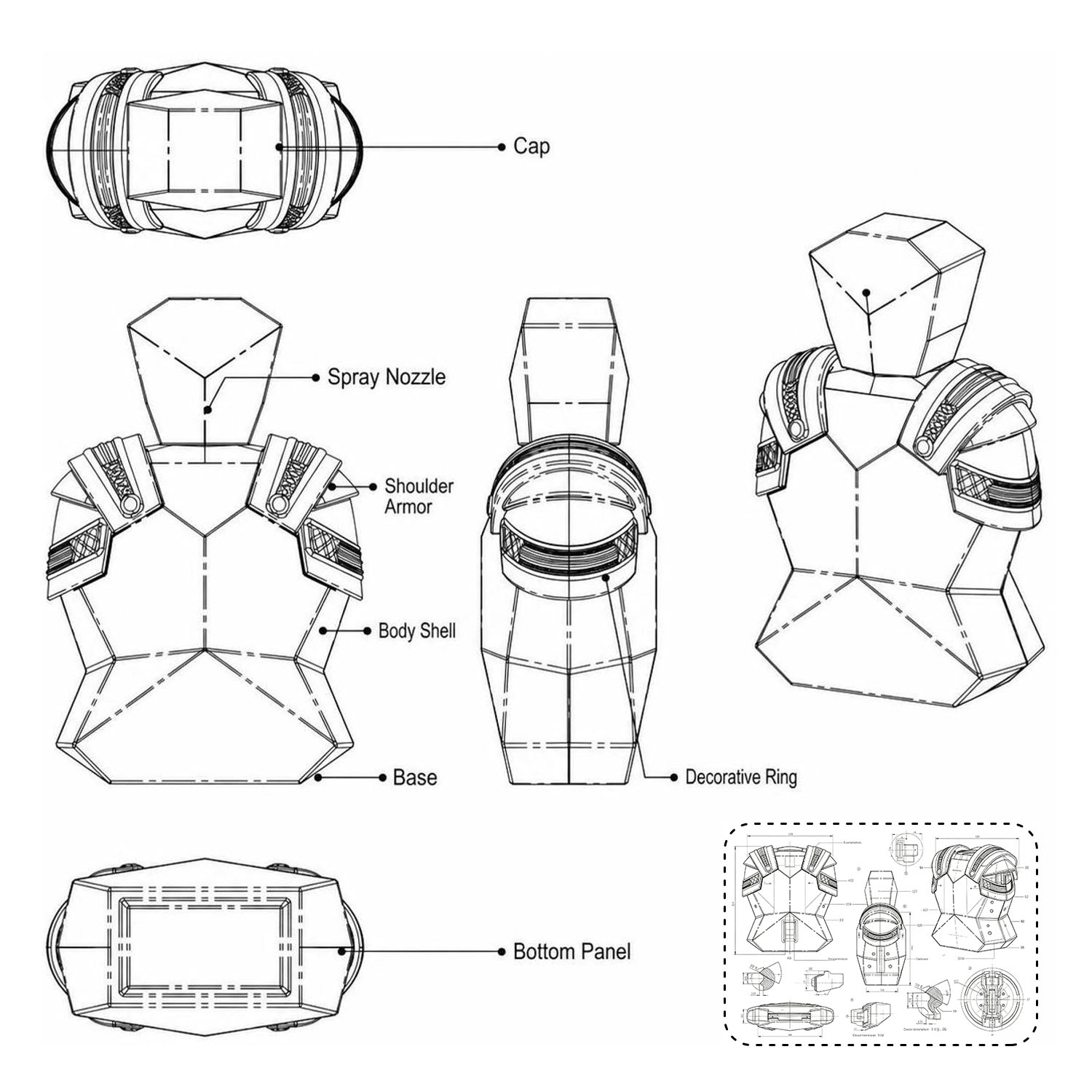
What Does a Custom Bottle Mold Mean?
A custom bottle mold is a production mold developed around a specific bottle design instead of using an existing standard mold. The mold determines the basic external shape and dimensions of the glass container during manufacturing.
For cosmetic packaging, this can be important when the bottle itself is part of the brand experience. A standard bottle can be practical, but a custom shape can give a skincare, fragrance, foundation, or beauty product a more recognizable appearance.
Custom molding can involve details such as the overall silhouette, bottle height, width, shoulder shape, base structure, capacity, wall thickness, and other dimensional requirements. The neck and closure system also need to be considered because the bottle must work correctly with the selected pump, dropper, sprayer, or cap.
This is why custom bottle development is more than simply sending a manufacturer a picture and asking them to copy it. The design needs to be translated into a manufacturable structure that can consistently produce glass bottles at commercial scale.
Can a Cosmetic Packaging Manufacturer Make a Completely New Bottle Shape?
Yes, provided the manufacturer has the necessary design, mold-making, sampling, and production capabilities.
A manufacturer experienced in custom glass packaging can evaluate a proposed bottle shape and determine how it can be converted into a production design. LISSON's customization process specifically includes bottle shape selection, 3D and artwork development, precision mold manufacturing, physical sample validation, and mass production.
This is particularly useful for brands that already have a packaging concept. For example, a perfume company may have a geometric bottle sketch, while a skincare brand may want a custom serum bottle with a particular shoulder profile or base shape.
The key question is not simply whether the shape looks attractive. The manufacturer also needs to determine whether the design can be produced consistently, filled efficiently, closed securely, decorated correctly, and transported without creating unnecessary production or packaging problems.
Quick answer: If you have a unique bottle concept, a qualified cosmetic glass packaging manufacturer can normally help develop the design into a custom mold, create samples, make engineering adjustments, and then move the approved design into mass production.
Which Parts of a Cosmetic Bottle Can Be Customized?
Custom bottle development can cover more than the basic silhouette. Depending on the packaging project, brands may customize several elements at the same time.
Bottle shape: The overall silhouette can be developed around a brand's visual concept. Square, rectangular, rounded, tapered, faceted, sculptural, and other shapes can be considered depending on manufacturing requirements.
Capacity: Bottle dimensions can be developed for different product volumes. Common cosmetic applications include serum, lotion, foundation, essence, oil, and fragrance packaging.
Shoulder and base: These areas can have a significant effect on how a bottle looks and feels in the hand. Heavy bases, geometric shoulders, curved transitions, and other structural details may be incorporated into a custom design.
Glass thickness and weight: Premium cosmetic packaging often uses thicker glass or a heavier base to create a particular hand-feel. The final specification needs to balance appearance, durability, filling requirements, and shipping considerations.
Neck and closure compatibility: The bottle needs to match its dispensing system. LISSON lists lotion pumps, droppers, spray pumps, magnetic caps, and other closure and accessory options as part of its customization capabilities.
For brands that are still comparing formats, the skincare glass bottle collection provides examples of bottle and jar formats used for lotions, serums, creams, and other beauty products.
How Does Custom Bottle Mold Development Work?
A practical custom bottle project normally follows a step-by-step development process. The exact workflow can vary depending on the complexity of the design, but the main stages are relatively straightforward.
Start with the packaging concept. The brand provides the desired shape, approximate dimensions, capacity, product application, reference images, sketches, CAD drawings, or other available information. The more complete the information, the easier it is for the manufacturer to evaluate the project.
Develop the 3D design. The concept is converted into a digital model that can be reviewed before physical tooling begins. This stage is useful for identifying dimensional issues and confirming the overall appearance.
Create the prototype. A prototype or mockup gives the brand an opportunity to review the physical proportions and appearance before committing to the final production mold.
Manufacture the mold. Once the design has been confirmed, the production mold can be developed according to the approved specifications.
Test and approve samples. The first glass samples should be checked for dimensions, appearance, weight, neck compatibility, surface quality, and other project-specific requirements.
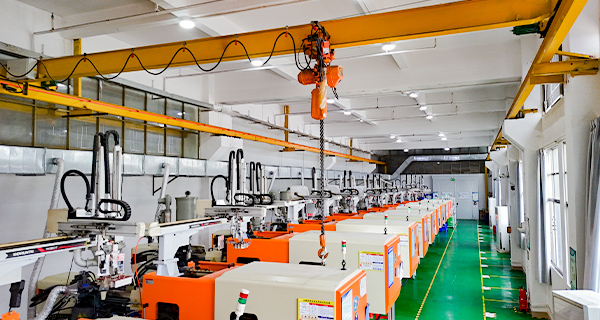
Move into production. After the sample is approved, the manufacturer can proceed with the production stage, followed by decoration, assembly, quality inspection, and packaging where required.
LISSON currently describes its custom packaging workflow as a six-step process covering concept consultation, bottle selection, 3D and artwork, mold and sampling, decoration, and production and delivery. Its website also states that 3D digital effects can be provided within 24–48 hours, physical 3D mockups take about 3–5 days, and steel mold sampling typically takes 15–20 days. These are manufacturer-stated timeframes and should be confirmed for each individual project.
When Does a Brand Actually Need a New Bottle Mold?
Not every cosmetic packaging project needs a completely new mold. If an existing bottle already meets the required shape and dimensions, using an existing mold with customized decoration can reduce development work and tooling requirements.
A new mold becomes more relevant when the bottle's physical shape itself is part of the product concept.
Typical situations include a fragrance brand developing a signature bottle, a skincare company creating a recognizable serum silhouette, a beauty brand requiring a specific capacity that does not match standard bottles, or a company developing a coordinated packaging collection with matching bottles and jars.
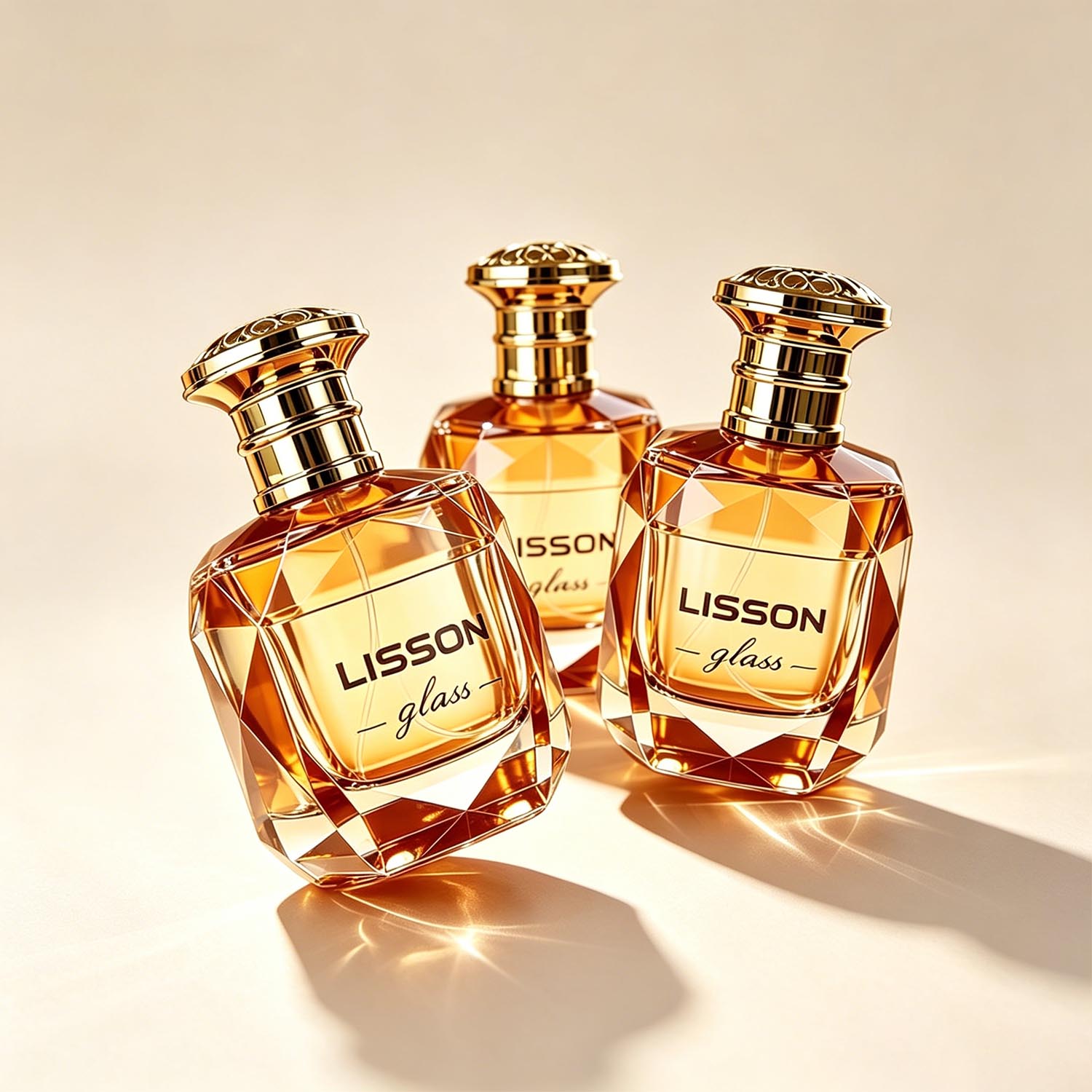
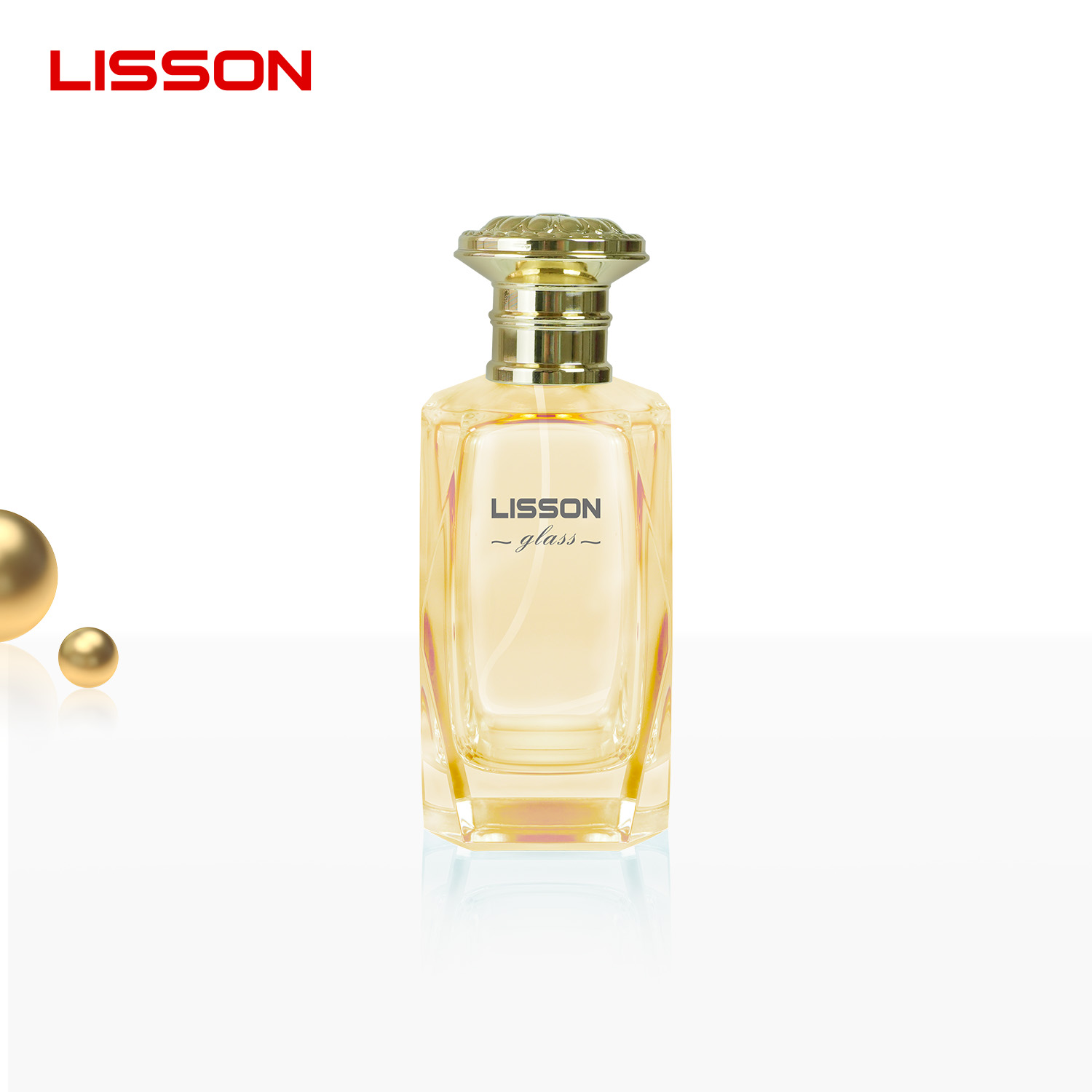
For example, LISSON's custom perfume bottle range includes geometric, faceted, ribbed, gradient, sculptural, and other design directions. These examples show how the physical shape of a glass bottle can become part of a fragrance brand's visual identity.
Custom Mold or Existing Mold: Which Approach Should a Brand Consider?
The decision depends mainly on the packaging objective, development budget, expected order volume, and how important the bottle's unique shape is to the brand.
An existing mold can make sense when the brand wants to move faster and is comfortable with an available bottle structure. Decoration, color, frosting, printing, hot stamping, or other finishing processes can still create a customized appearance.
A custom mold makes more sense when the bottle itself needs to be different. The additional development work can create a packaging shape that is more closely connected to the brand's identity.
For a new product launch, it is useful to compare both options before making a decision. Ask the manufacturer whether an existing mold can achieve most of the desired result. If it cannot, request a custom mold proposal based on the target shape, capacity, quantity, and packaging application.
What Should You Send to a Manufacturer for a Custom Bottle Project?
A manufacturer can evaluate a project much more accurately when the initial brief contains clear technical and commercial information.
At a minimum, consider providing the following:
- Product type, such as perfume, serum, lotion, foundation, or essential oil
- Target bottle capacity
- Preferred bottle dimensions
- Sketches, reference photos, CAD drawings, or 3D files
- Desired glass color and surface finish
- Pump, dropper, sprayer, or cap requirements
- Estimated order quantity
- Target market and packaging requirements
- Required decoration, logo, or branding elements
For serum and treatment products that require controlled dispensing, brands can also review the glass dropper bottle collection to compare different existing structures before deciding whether a completely new mold is necessary.
How Much Does Custom Bottle Mold Development Cost?
There is no single price for a custom bottle mold because tooling cost depends on the complexity of the design, bottle size, mold structure, prototype requirements, production volume, and other technical factors.
A simple bottle shape may require less development work than a highly detailed sculptural design with complex geometry. Similarly, a project intended for long-term mass production may be approached differently from a small initial launch.
The most useful way to request a quote is to provide the manufacturer with the bottle concept, target capacity, estimated quantity, material, closure requirements, and decoration expectations. The manufacturer can then determine whether an existing mold, modified tooling, or a completely new mold is appropriate.
For brands comparing different packaging options, it is also useful to ask for tooling costs separately from the bottle unit price. This makes the total development investment easier to understand.
Can Custom Bottle Molds Be Used for Complete Cosmetic Packaging Sets?
Yes. A brand does not necessarily have to develop only one bottle. Custom mold development can also be part of a broader packaging system.
For example, a skincare line may include an essence bottle, serum bottle, lotion bottle, and cream jar. Developing these products around a consistent visual language can make the collection look more unified on retail shelves.
LISSON offers cosmetic glass bottle sets designed around coordinated skincare and beauty packaging. This type of solution can be useful when a brand wants several products to share similar proportions, finishes, caps, or decorative details.
What Quality Checks Should Be Completed Before Mass Production?
The appearance of the first sample is only one part of the approval process. A custom bottle also needs to work with the rest of the packaging system.
Important checks can include dimensional accuracy, glass wall consistency, bottle weight, neck and closure compatibility, leakage performance, surface quality, decoration quality, and compatibility with the filling process.
For cosmetic products, formula compatibility can also be relevant, particularly when the bottle has coatings, decorative finishes, or specialized dispensing components.
LISSON states that its customization service includes formula compatibility testing, vacuum leakage testing, thermal shock resistance testing, and threading and tolerance checks before shipment. These checks help connect bottle design with actual packaging performance rather than evaluating appearance alone.
FAQ About Custom Cosmetic Bottle Molds
Can a cosmetic packaging manufacturer make a completely custom bottle?
Yes. A manufacturer with custom mold development capabilities can develop a new bottle design from a sketch, drawing, reference image, or 3D concept and convert it into a production-ready mold.
Do custom glass bottles require a new mold?
Not always. If an existing bottle mold already matches the required shape and dimensions, the brand may only need customized decoration or finishing. A new mold is generally considered when the physical bottle shape needs to be different.
How long does custom bottle mold development take?
The timeline depends on the design and approval process. LISSON currently states that 3D digital effects can take 24–48 hours, physical 3D mockups about 3–5 days, and steel mold sampling approximately 15–20 days. Actual project timing should be confirmed with the manufacturer.
Can the bottle shape, color, and logo all be customized?
Yes. Custom projects can combine bottle shape development with glass color, surface finishes, logo printing, hot stamping, frosting, UV coating, electroplating, and other decorative options.
Can custom bottles be developed for perfume?
Yes. Perfume packaging is one of the common applications for custom glass bottle development because the bottle silhouette, weight, finish, cap, and dispensing system can all contribute to the overall packaging design.
Can skincare brands use custom molds for serum and lotion bottles?
Yes. Custom molds can be developed for skincare bottles, including packaging for serums, lotions, essences, foundations, and other liquid or emulsion-based cosmetic products. The dispensing system and formula compatibility should be considered during development.
Is a custom mold necessary for every new cosmetic product?
No. If an existing bottle provides the required capacity, shape, dispensing system, and appearance, using an existing mold can be a practical option. A custom mold is most relevant when the physical packaging needs to be unique.
Final Takeaway
A cosmetic packaging manufacturer can develop custom bottle molds, but the manufacturer needs more than basic glass production capability. Successful custom bottle development requires design support, 3D modeling or prototyping, mold development, sample testing, glass manufacturing, and quality control.
For beauty brands, the best starting point is to define the product application, bottle capacity, desired shape, dispensing system, estimated quantity, and visual direction. From there, a packaging manufacturer can determine whether an existing mold is sufficient or whether a completely new custom mold should be developed.
LISSON supports custom glass packaging projects from concept and 3D prototyping through mold development, sampling, decoration, and production. For brands developing distinctive perfume, skincare, serum, or complete cosmetic packaging, this integrated approach can simplify the process of moving from an initial packaging idea to a production-ready bottle.
If you already have a bottle sketch, reference image, CAD drawing, or packaging concept, you can send the design and project requirements to LISSON for a custom mold evaluation.