Approving a glass bottle sample is an important milestone for a cosmetic brand, but it does not mean the packaging is ready to ship. After approval, the supplier needs to confirm the final specifications, prepare production, manufacture the order, inspect product quality, and arrange suitable export packaging.
For beauty brands sourcing glass packaging from a manufacturer such as LISSON, understanding these steps helps prevent specification errors, unexpected delays, and damage during transportation. The following guide explains what usually happens after a cosmetic glass bottle sample is approved and what buyers should confirm before mass production begins.
1. Final Specifications Are Confirmed
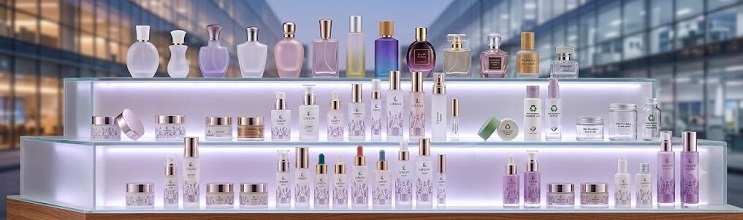
Once the sample is approved, the first step is to make sure that the approved sample and the production requirements match. This is especially important when a cosmetic bottle includes a custom color, special coating, printed logo, or a matching closure.
The buyer and supplier should confirm details such as bottle capacity, dimensions, glass color, neck finish, surface treatment, logo artwork, and packaging requirements. If the bottle will be used with a dropper, pump, or spray, the compatibility of the closure and bottle neck should also be checked.
Brands developing customized packaging can review custom glass bottle customization options to understand which specifications need to be finalized before production.
It is good practice to keep a record of the approved sample, artwork files, and written specifications. This gives both parties a clear reference if questions arise during manufacturing.
2. The Purchase Order and Production Schedule Are Confirmed
After the specifications are finalized, the supplier confirms the order quantity, pricing, payment terms, production schedule, and expected delivery arrangements. These details help the manufacturer plan materials, production capacity, and quality control.
Lead time can vary depending on whether the order uses standard bottles or requires customized colors, decoration, special molds, or additional components. Stock availability, order quantity, and the complexity of the packaging also affect the schedule.
Before production starts, buyers should confirm the expected completion date and ask whether the schedule includes decoration, inspection, packing, and preparation for shipment. This is particularly useful for brands coordinating packaging delivery with a product launch or filling appointment.
3. Bulk Glass Bottle Production Begins
Once the order details are confirmed, the manufacturer arranges mass production according to the approved specifications. The production process depends on the bottle design and the level of customization required.
For glass cosmetic packaging, manufacturing may involve glass forming, annealing, surface treatment, printing, coating, or other decoration processes. Not every bottle requires every process. The actual production route depends on the product design and the agreed finish.
Consistency is particularly important when a brand orders several thousand bottles. Differences in color, dimensions, surface appearance, or decoration can affect the overall look of the finished cosmetic product. The approved sample and specifications therefore serve as key references throughout production.

Brands sourcing serum packaging may also explore glass dropper bottles to compare packaging styles for facial serums, essential oils, and other liquid formulations.
4. Quality Inspection Checks the Finished Bottles
After production, the bottles should be inspected against the agreed quality requirements. The inspection plan depends on the product, order specifications, and quality agreement between the buyer and supplier.
Common inspection points include:
- Appearance defects, such as visible cracks, chips, scratches, or unacceptable surface marks.
- Bottle dimensions and capacity, where specified.
- Color consistency and decoration quality.
- Neck finish and compatibility with the intended closure.
- Packaging condition and protection against movement or impact.
For bottles used with pumps, droppers, or other dispensing components, compatibility checks may also be required. Where relevant, brands should confirm the inspection criteria and any leak, fit, or functional tests before production begins rather than relying on an informal visual comparison alone.
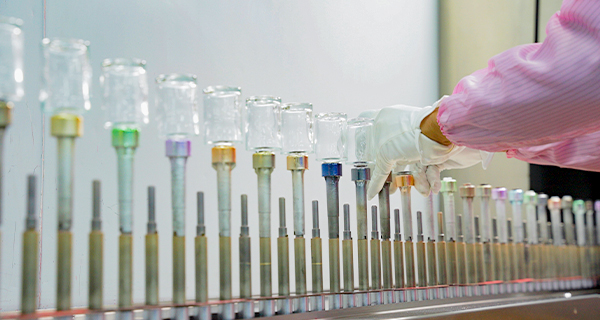
Clear acceptance criteria help reduce disputes and make it easier for the buyer and supplier to assess whether the order meets the approved requirements.
5. The Bottles Are Packed for International Shipping
Glass cosmetic bottles are fragile, so export packaging is an important part of order preparation. Even bottles that pass factory inspection can be damaged if they move excessively inside cartons or are exposed to repeated impacts during handling.
Depending on the bottle design and shipping method, protective packaging may include dividers, trays, individual compartments, cushioning materials, or reinforced cartons. The goal is to limit bottle-to-bottle contact and reduce movement during transportation.
Before shipment, buyers should confirm the packing method, carton quantity, labeling requirements, shipping marks, and any special instructions for handling fragile goods. For international orders, the shipping plan should also account for the expected route and the number of times the cargo may be handled or transferred.
Brands purchasing coordinated packaging can review cosmetic glass bottle sets when comparing packaging options designed to work together as part of a consistent product presentation.
6. Shipment and Delivery Are Arranged
Once the order is packed and ready, the supplier and buyer coordinate the shipping arrangements according to their agreed delivery terms. Depending on the order, this may involve a freight forwarder, export documentation, customs clearance, and delivery to a warehouse or filling facility.
Buyers should confirm who is responsible for booking transportation, preparing shipping documents, arranging insurance if required, and handling import duties or customs procedures. These responsibilities depend on the agreed Incoterms and the commercial arrangement.
After dispatch, tracking details and shipping documents help the buyer monitor the shipment and prepare for receiving inspection. When the bottles arrive, check the cartons for visible damage and inspect the contents according to the agreed receiving procedure. Photographing any damage before unpacking everything can help support a claim if needed.
What Should Buyers Confirm After Sample Approval?
Before authorizing mass production, cosmetic brands can use this checklist to make sure the key details are covered.
- Approved bottle sample and final written specifications.
- Confirmed capacity, dimensions, color, neck finish, and closure compatibility.
- Final artwork, logo placement, printing, and surface treatment requirements.
- Order quantity, pricing, payment terms, and production schedule.
- Quality inspection criteria and acceptable defect limits.
- Protective packaging method and carton specifications.
- Shipping terms, required documents, and delivery arrangements.
Confirming these details early makes the transition from sample approval to bulk production easier to manage. It also gives both the brand and manufacturer a shared reference for production, inspection, and delivery.
Frequently Asked Questions
Does sample approval mean mass production can start immediately?
Not necessarily. The final specifications, artwork, order quantity, payment arrangements, and production schedule may still need written confirmation before manufacturing begins.
How long does production take after a glass bottle sample is approved?
The lead time depends on order quantity, stock availability, customization, decoration, and factory scheduling. Buyers should request a project-specific timeline from the supplier.
Can mass-produced bottles look slightly different from the approved sample?
Some variation may occur depending on the glass manufacturing process and decoration method. Buyers should agree on acceptable tolerances and inspection standards before production.
How can cosmetic brands reduce glass bottle damage during shipping?
Use packaging suited to the bottle shape and shipping method, limit movement inside cartons, confirm carton protection, and inspect the shipment when it arrives.
What should buyers do if the delivered bottles do not meet the approved specifications?
Document the issue with photographs, compare the delivered goods with the agreed specifications, and contact the supplier promptly. The next steps should follow the quality agreement and the terms of the purchase order.