You open a delivery box and find a shattered serum bottle. Glass shards cling to the label. Now you face refunds, angry reviews, and lost inventory.
Cosmetic glass bottles break during shipping for four main reasons. Packaging failures top the list. Rough handling ranks second. Environmental stress follows close behind. Weak bottle design rounds out the causes. You see, glass is fragile, and every mile adds risk.
Brands that work with Lisson learn to spot these problems early. That knowledge cuts breakage and saves money. You will find practical, jargon-free answers below. No engineering degree required.
Key Takeaways
-
Packaging failures cause most glass bottle breaks. Use snug boxes and dividers to stop movement.
-
Rough handling during shipping creates stress. Cushioning materials like foam absorb shocks.
-
Temperature and humidity changes weaken glass. Control the environment to prevent damage.
-
Weak bottle design increases breakage risk. Choose bottles with uniform walls and strong bases.
-
Work with a packaging partner to test and improve protection. This saves money and keeps customers happy.
Packaging Failures in Shipping
Packaging failures cause more cosmetic glass bottles break than any other single factor. You control this part of the journey. A weak or poorly designed box gives your bottles no real chance against the bumps and drops ahead.
Empty Space and Loose Fill Problems
Excess empty space inside a box lets your bottles slide, tumble, and strike each other. Every inch of air is room for movement. Movement leads to cracks, chips, and full breaks.
It's easy for glass to move around and break when your packaging has a lot of empty space. Ensure the size of the packaging is appropriate for your glass products — the tighter the fit, the better.
Loose fill peanuts feel protective at first. In reality, they settle and leave voids. A study on palletized cargo stability under dynamic loads found that loose fill materials like crinkle paper fail to prevent item shifting during transit. Your bottles then drift into those gaps and collide. You need packaging materials that hold their shape and lock each item in place.
Fill all spaces with packing material to prevent jars from hitting each other during transit.
Air tubing offers another caution. This cushioning material can lose its protective seal during transit. Once the seal fails, the tubing deflates and provides almost no cushioning. Your glass shipments then ride on bare corrugated board.
Weak Boxes and Poor Bottle Positioning
A weak corrugated box collapses under stacked weight. Missing dividers let bottles touch directly. An unstable pallet configuration shifts during turns and sudden stops. Each of these problems multiplies the risk of glass breaking during transit.
Scuffing typically occurs during transit rather than manufacturing. When you package glass jars too tightly in bulk bags, they rub against each other during shipping. Bottles dragged across conveyor lines can also pick up surface damage at the filling facility. Consistent scuffing tells you the packing method is the problem, not the bottle itself. Ask your supplier about cell packs, dividers, or tray packing for cosmetic-grade orders.
Crushed or missing case dividers count as the first evidence in a damage claim. A first-ten-minutes inspection checklist includes two key steps:
-
Verify partition integrity across every layer.
-
Check for broken or missing dividers before you sign anything.
These simple checks reveal whether your protection for glass items held up. They also give you proof when you file a claim.
Good packaging does more than separate bottles. It absorbs shock, limits motion, and spreads weight across the pallet. You should treat every gap as a future break. Choose snug boxes, solid dividers, and cushioning materials that keep their form. This approach gives your glass skincare bottles the best chance of arriving intact.
Why Cosmetic Glass Bottles Break from Rough Handling
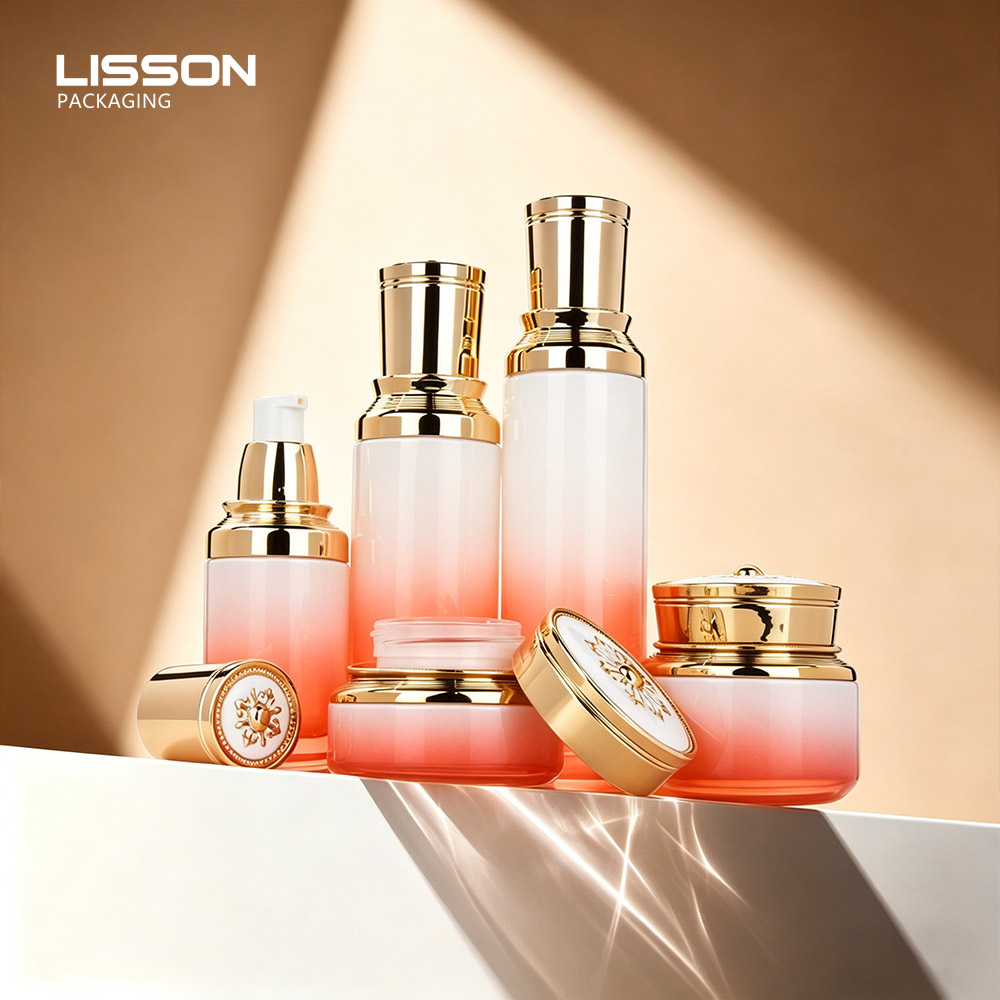
Your bottles survive the packaging stage only to face the real challenge: the shipping journey. Packages drop from conveyor belts. Boxes slide off forklifts. Loads shift inside truck trailers. You can design perfect packaging, but the journey itself introduces forces that cause cosmetic glass bottles break. Understanding these forces helps you create packaging that protects bottles through every leg of the trip.
Vibration and Repeated Shaking
Continuous vibration from trucks, trains, or planes creates stress points in glass. Microscopic cracks form along these stressed areas. These tiny defects weaken the bottle structure. Even minor impacts can then shatter a bottle that looked perfect at the factory. Vibration does more than shake bottles. It also loosens them inside their packaging over time.
The vibration level depends on the truck suspension system. Air suspension systems reduce shaking by more than 50% compared to conventional leaf-spring suspensions. The difference in breakage rates is significant.
|
Suspension Type |
Vibration Reduction |
Effect on Bottle Breakage |
|---|---|---|
|
Air suspension systems |
More than 50% less shaking |
Fewer bottles broken during long trips |
|
Air suspension vs. conventional |
66% less vibration |
Obviously reduces the number of broken bottles during transportation |
Long-distance shipping glass bottles exposes them to hours of repeated shaking. Bottles rub against corrugated dividers. This friction creates fine glass dust and fiber contamination. The rubbing also scratches the glass surface. Each scratch becomes a weak point. A bottle that survives vibration during handling in the factory may still break during handling or shipping if the micro-cracks propagate over time. You need cushioning materials that stay in place and prevent movement throughout the journey.
Drops, Impacts, and Compression Loads
A single package can drop many times during its journey. Heavy packages slide onto your boxes from conveyor belt merges. Belt pileups squash boxes between others. Boxes tumble down slides. They get crushed under hundreds of other packages stacked on top. The bottom layers of a pallet carry the weight of everything above. Each point introduces new stresses.
Compression loads cause devastating damage. Internal insert structures carry stacking loads and protect delicate droppers and tubes from crushing under heavy warehouse pallets. Custom-shaped cavities lock items in place, stopping vertical and side-to-side shifting during transit. Resilient materials like foam, molded pulp, and corrugated board absorb impact energy to shield fragile glass and pressed powders from cracking.
Consider what happens when a master carton overhangs a standard GMA pallet. In a Box Compression Test, cartons overhung the pallet by 0.62 inches (15.7 mm). A hydraulic press applied 1,200 lbs (544.3 kg) of simulated top-load. The unsupported bottom-tier corners bowed outward. The cartons catastrophically crushed. The kraft paper delaminated. Shrinking the carton footprint by just 0.5 inches (12.7 mm) eliminated overhang and restored the critical 60% corner compression strength. That change prevented the bottom-tier collapse.
The lower cases on a pallet carry more load than the top ones. Overhang, pallet gaps, and misaligned columns reduce support. A strong outer carton cannot compensate for bottles that move freely inside it. Top and bottom pads, partitions, and corner support must work together. Containment should prevent lean and case migration without crushing cartons or applying damaging force to bottles. Set maximum case and pallet height, weight, orientation, and stacking rules. This way, warehouse operators do not change the approved structure during handling.
Shipping glass items requires you to anticipate every drop and impact. Knowing these failure modes helps you design packaging that withstands the trip. Proper protection keeps your glass skincare bottles and cosmetic glass bottles & jars intact from factory to customer.
Environmental Stress and Glass Breaking During Transit
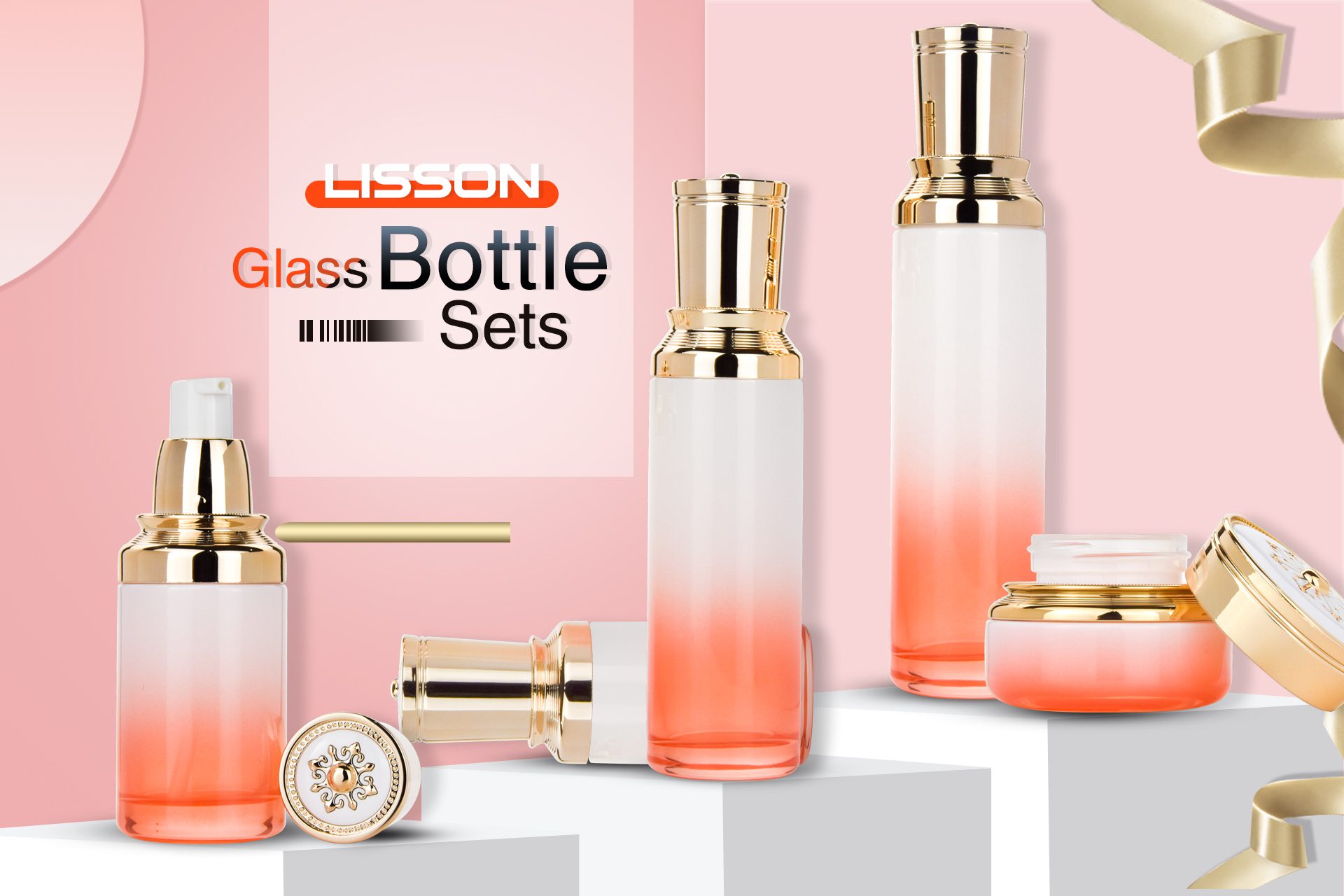
Your packaging holds firm. Handlers treat boxes with care. Yet bottles still arrive damaged. Every shipping journey introduces environmental stress. Temperature swings, humidity shifts, and air pressure changes attack the glass and its seal. You cannot control the weather. But you can understand these forces and prepare for them.
Temperature and Humidity Fluctuations
Temperature and humidity work together to weaken glass. Hot warehouses speed up surface weathering. Humidity provides the essential medium for ion exchange. These two factors trigger a process called alkali return. Alkaline ions migrate from inside the glass to the surface. They form hazy deposits that weaken the bottle structure. These deposits can react with your cosmetic contents. They accelerate oxidation of sensitive ingredients like Vitamin C.
The risk of efflorescence increases significantly when relative humidity exceeds 75% and temperature fluctuates between 25°C and 40°C. These combined conditions model environmental stress on glass packaging.
Your frosted glass bottles face extra danger. The etching process creates microscopic pores and a larger surface area. This makes frosted glass break easily under combined stresses. A crack may appear weeks later in the customer's hands. Cosmetic glass bottles and jars with frosted finishes need extra protective measures during transit.
Pressure Changes and Sunlight Exposure
Pressure changes during air cargo place extreme stress on sealed bottles. At 30,000 feet cruising altitude, the internal air pressure inside a jar exceeds the surrounding cabin pressure. The jar expels air through the seal. This breathing action carries product out with it. Temperature fluctuations up to 50°C inside containers cause the air inside to expand further. The weakest point is usually the cap threads. Product pushes through and leaks into the box.
Best practices reduce this risk. Use tamper-proof seals and shrink bands. Place polybags inside cartons. Add absorbent layers or liners. These steps prevent leakage from damaging adjacent cartons.
Direct sunlight poses a separate danger. UV rays degrade glass quality over time. The surface can weaken and develop micro-fractures. Store your shipments in shaded, climate-controlled areas whenever possible.
Protecting Glass During Transit with Better Bottle Design
Your bottle design matters as much as your packaging. Thin walls and uneven thickness make cosmetic glass bottles break more easily during shipping. You can reduce this risk by choosing stronger glass.
Thin Glass and Uneven Wall Thickness
Thicker glass absorbs shocks from drops. A bottle with a thick base has a lower center of gravity. This improves stability. Features like heavy bases or double walls enhance impact resistance.
Uniform wall thickness avoids weak points. The neck and corners crack easily under pressure changes. Inconsistent thickness creates stress points. Luxury manufacturers use advanced molding to achieve uniformity.
Account for filled weight and finished pack weight. Glass weight raises carton strength requirements. Define drop test and vibration test expectations. Specify inner trays to cushion bottles. Prevent glass-on-glass contact. For ecommerce, request packaging samples early. A bottle that looks fine on a studio table may need stronger protection in real distribution.
Hidden Defects and Weak Neck or Base Areas
Hidden defects compromise structural integrity under mechanical loading. Internal trapped glass stresses act as stored energy. When shipping subjects the bottle to vibration or impact, this energy releases suddenly. Cracks or shattering can follow.
The neck and base face the highest vulnerability. The shoulder/neck transition has abrupt thickness changes that concentrate stress. A sharp angular shoulder acts as a stress riser. A gently radiused shoulder distributes forces better. The neck withstands lateral capping forces and axial compression. The base cracks easily when set down firmly.
Over-packing too tightly can package glass jars in a way that cracks them or pops lids. Bubbles near the finish, heel, or base pose problems. A stone close to the surface deserves more attention.
Working with a packaging partner like Lisson helps you source stronger glass. Rigorous testing for pressure and leakage ensures physical integrity. Turnkey solutions coordinate bottles with pumps and caps. Amber glass blocks harmful UV rays. Airless packaging blocks air and light.
Ship your glass with confidence by addressing four root causes. Packaging failures, rough handling, environmental stress, and weak bottle design all contribute to cosmetic glass bottles break. You need a combined strategy, not a single fix.
-
Use corrugated inserts and shock-absorbing materials like foam or molded pulp for protection.
-
Fill empty spaces with honeycomb void filler or air cushions to prevent movement.
-
Double-box fragile items for extra drop protection.
-
Stabilize pallets with proper stacking, shrink-wrapping, and edge protectors.
-
Control temperature with insulated boxes to prevent thermal stress.
These steps minimize breakage during shipping.
Even with best practices, occasional breakage may occur. Establish clear policies for damaged items and use feedback to continuously improve.
Work with a reliable partner like Lisson. Smart packaging choices can nearly eliminate cosmetic glass bottle breakage.
FAQ
Why do my glass bottles break even when I use bubble wrap?
Bubble wrap alone does not stop movement. Bottles still shift inside the box and strike each other. You need dividers, snug boxes, and cushioning that holds its shape. Combine these methods to protect glass skincare bottles through every stage of transit.
Does thicker glass always prevent breakage?
Not always. Thick glass helps, but uneven wall thickness creates weak points. The neck and base crack first under stress. Choose bottles with uniform walls and a gently radiused shoulder. Strong design matters as much as extra thickness.
Can temperature changes really crack a sealed bottle?
Yes. Heat makes trapped air expand inside the bottle. The cap threads become the weakest point. Product pushes through and leaks. Use tamper-proof seals, shrink bands, and polybags. These steps protect cosmetic glass bottles & jars from pressure-driven leaks.
How do I know if my packaging passed the test?
Run drop and vibration tests before full production. Check partition integrity and divider condition after each test. Request packaging samples early. A bottle that looks fine on a studio table may fail in real distribution.
What is the single biggest cause of breakage?
Packaging failures cause more damage than any other factor. Empty space, weak boxes, and missing dividers let bottles collide. You control these variables directly. Fix your packaging first, then address handling and environmental stress.