When a skincare serum dropper pulls up too much or too little product, the problem may not be the bottle itself. Serum viscosity, pipette dimensions, bulb elasticity, and the fit between the dropper assembly and the glass container can all affect dispensing performance.
Why does a dropper bottle pull too much or too little serum? The most common reasons are a mismatch between the formula and the pipette opening, inconsistent bulb operation, an unsuitable pipette length, or a closure that does not work properly with the bottle. Identifying the actual cause helps cosmetic brands improve dispensing consistency without making unnecessary changes to the packaging.
For skincare manufacturers, choosing the right glass dropper bottle means balancing appearance, formula compatibility, ease of use, and dispensing performance. LISSON offers glass packaging options for facial serums, facial oils, botanical extracts, and other liquid cosmetic products.
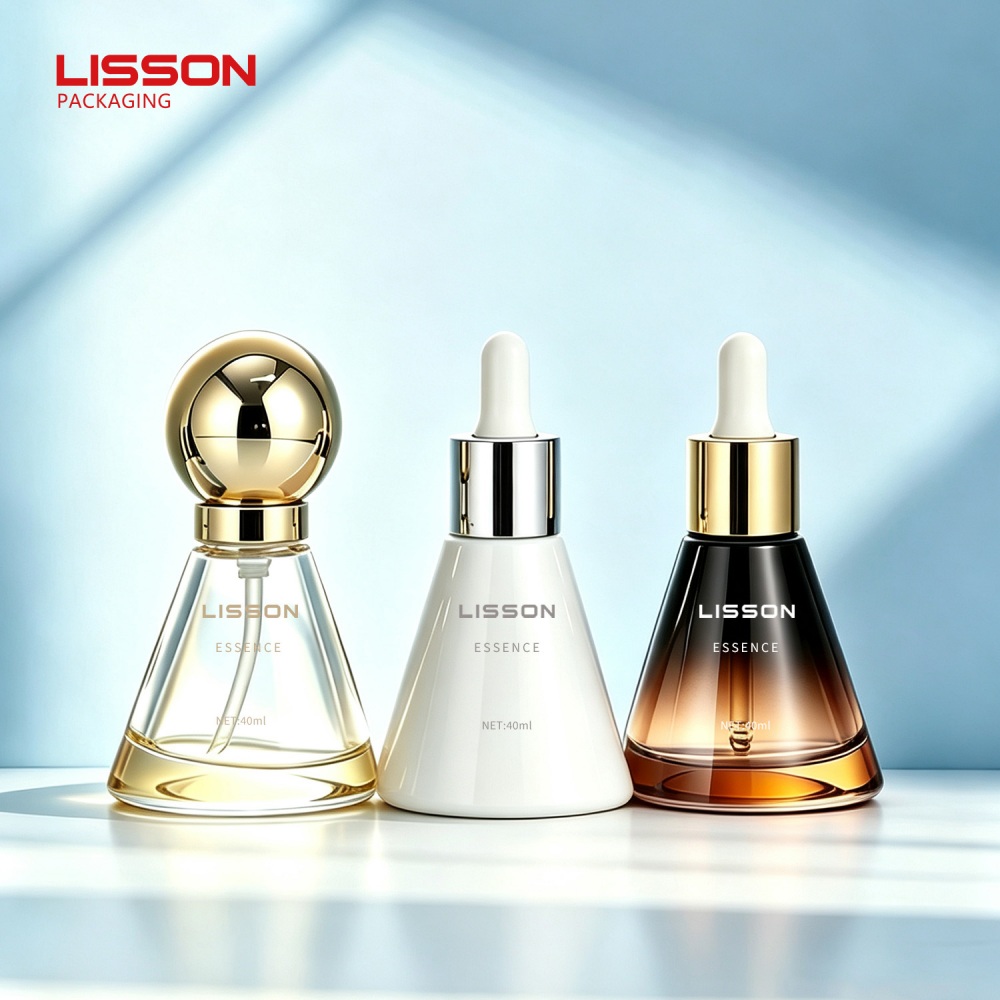
Different glass dropper bottle designs for premium skincare and serum packaging.
How Does Serum Viscosity Affect Dropper Performance?
Serum viscosity is one of the first things to check when a dropper bottle does not dispense the expected amount. Viscosity describes how easily a liquid flows. A watery essence moves through a pipette differently from a thick hyaluronic acid serum, facial oil, or concentrated skincare treatment.
When a formula is too thick for the selected pipette, the liquid may enter slowly, leave air gaps inside the tube, or remain in the pipette after the bulb is released. The result is often an incomplete draw or a smaller amount of serum than the user expects.
By contrast, a low-viscosity serum can move quickly through a relatively wide opening. Depending on the bulb design and the way the user operates it, this may result in excessive collection, fast dripping, or less controlled application.
The correct pipette opening depends on the formula and the complete dispensing system. A wider opening may help a thicker liquid flow, while a narrower opening may provide more control with a thinner formula. Neither option is automatically better for every product.
When evaluating LISSON's tapered glass essence bottle with dropper, brands should consider the available dispensing configurations and test the selected assembly with their actual serum before confirming production specifications.

Dropper design and component configuration should be evaluated alongside the formula's flow properties.
Can the Pipette Opening Cause Too Much or Too Little Serum to Be Dispensed?
Yes. The internal diameter of the pipette affects how readily serum enters and exits the tube. If the opening is too small for a viscous formula, filling and dispensing may be slow. If it is too large for a thin liquid, the serum may flow more freely than intended.
However, the opening diameter is only one part of the equation. Pipette length, internal volume, bulb capacity, liquid surface tension, and the user's squeezing and release technique also influence the amount collected.
For example, two dropper bottles with the same nominal capacity can deliver different amounts per squeeze because their pipettes and bulbs have different dimensions. A 30ml bottle does not automatically dispense the same dose as another 30ml bottle.
For more consistent results, cosmetic brands should:
- Test the actual serum instead of relying only on water as a reference liquid.
- Compare pipette openings against the formula's viscosity and flow behavior.
- Measure the collected and dispensed amount over repeated cycles.
- Check whether serum continues dripping after the bulb is released.
- Repeat the test across multiple bottles to identify variations.
These checks are particularly useful for concentrated facial serums and premium facial oils, where excessive dispensing can waste product and make daily application less convenient.
Why Does a Dropper Bottle Sometimes Collect Almost No Serum?
If a pipette collects very little liquid, the cause may be the bulb, the pipette, the liquid level, or the connection between the components. A conventional dropper works by expelling air when the bulb is squeezed and drawing liquid into the pipette when the bulb is released.
If the bulb does not recover properly, the system may not generate enough suction to collect the expected amount. A damaged bulb, unsuitable material, or poor connection between the pipette and closure can also affect performance.
The pipette's length and position matter as well. If the tube is too short, its tip may sit above the liquid when the bottle is nearly empty or tilted during use. If the tube is too long, it may contact the bottom or interfere with assembly, depending on the bottle geometry.
Check the following before replacing the bottle:
- Whether the bulb returns to its original shape after release.
- Whether the pipette is securely connected to the closure.
- Whether the pipette tip remains submerged at normal fill levels.
- Whether the formula flows slowly because of its viscosity.
- Whether the issue affects one bottle or multiple units in the batch.
If only a few bottles show the problem, component damage or assembly variation may be involved. If the same issue occurs throughout the batch, review the dispensing specification and formula compatibility before changing the package design.
How Do the Bulb and Closure Affect Serum Dispensing?
The bulb is a functional part of a cosmetic dropper bottle. Its elasticity, internal capacity, and compatibility with the formula influence how effectively the pipette collects liquid and how easily the user controls each application.
A bulb that is too stiff may be difficult to squeeze. A bulb that does not recover consistently may collect different amounts of serum from one use to the next. If the bulb material is incompatible with the formula, prolonged contact may also cause swelling, hardening, or other changes that affect dispensing performance.
The closure must fit the bottle neck correctly. Poor dimensional compatibility or incorrect assembly can compromise sealing, cause leakage, or allow unwanted air exchange. These problems should be distinguished from a dosing issue because a bottle can dispense serum normally while still failing to seal reliably.
When developing a coordinated skincare range, brands can also consider LISSON's customized dropper glass bottle and jar set. Coordinated packaging can help maintain a consistent brand appearance, while the dropper assembly still needs to be tested with the intended formula.
Mechanical fit alone does not guarantee chemical compatibility. The finished package should be evaluated with the actual ingredients and expected storage conditions before mass production.
Can the Wrong Bottle Neck or Pipette Length Cause Dispensing Problems?
Yes. The bottle neck, closure, and pipette must work together as a complete system. A closure that does not match the neck finish can affect sealing and assembly consistency. A pipette that is poorly matched to the bottle's internal height can also make it difficult to collect the remaining product.
These issues can be overlooked because the outside of the bottle may look correct. A premium glass finish does not guarantee reliable dispensing if the internal components have not been matched to the container geometry.
Before confirming a packaging specification, brands should check:
- Bottle neck finish and closure compatibility.
- Pipette length relative to the bottle's internal dimensions.
- Clearance between the pipette tip and the bottle base.
- Closure tightening and sealing performance.
- Dispensing consistency at both full and low fill levels.
For new product launches, test production-representative samples using the intended filling and assembly process. This helps reveal issues that may not be apparent when the bottle, pipette, and closure are inspected separately.
How Can Cosmetic Brands Troubleshoot Inconsistent Dropper Dosing?
The most effective approach is to test one variable at a time rather than changing the bottle, bulb, and pipette simultaneously. This makes it easier to identify whether the issue comes from the formula, dispensing components, or assembly process.
| Observed problem | Possible cause | Recommended check |
|---|---|---|
| Too much serum is released | Large opening, excessive bulb compression, or fast-flowing formula | Compare opening sizes and standardize the dispensing method |
| Very little serum enters the pipette | High viscosity, poor bulb recovery, or an obstructed opening | Test formula flow and inspect the bulb and pipette |
| Air enters instead of serum | Pipette tip above the liquid or low fill level | Check pipette length and low-fill performance |
| Serum leaks around the closure | Neck mismatch, damaged sealing parts, or incompatible assembly | Verify closure fit and conduct package-level leak testing |
| Dose varies between bottles | Component variation, inconsistent technique, or formula differences | Repeat tests across multiple units under the same conditions |
For quantitative testing, weigh the dispensed serum over repeated cycles and compare results across several samples. If the liquid density is known, mass can also be converted into an estimated volume. This is more reliable than judging the amount by drop size alone.
Keep test conditions consistent, including temperature, bottle orientation, bulb compression, and the time allowed for the bulb to recover. Acceptance limits should be defined according to the product's dosing requirements rather than assuming that every serum needs the same output.
How Should Brands Choose a Glass Dropper Bottle for Different Serums?
There is no single dropper configuration that performs equally well with every skincare formula. Packaging selection should start with the product's physical properties and how consumers are expected to use it.
- Watery serums and essences: Evaluate whether the pipette opening provides controlled flow without excessive dripping.
- Medium-viscosity facial serums: Check the balance between easy collection, consistent release, and comfortable application.
- Thicker serums and facial oils: Evaluate suitable openings and compatible dispensing components to reduce slow collection or incomplete filling.
- Light-sensitive formulations: Consider amber or other protective packaging when supported by the formula's stability requirements.
- Premium skincare collections: Balance dispensing performance with bottle shape, capacity, closure finish, and brand presentation.

Bottle color, shape, and dropper design can be considered together when developing a skincare packaging range.
LISSON's glass dropper bottle collection includes packaging options for cosmetic and skincare applications. Buyers should confirm the available capacities, component configurations, and customization options before selecting a model for production.
The key is to select the dispensing system around the serum, rather than choosing a bottle based on appearance alone. A well-matched package can make application more consistent, reduce mess, and support a better user experience.
Why Should the Complete Packaging System Be Tested Before Production?
A dropper bottle consists of several components that work together: the glass container, pipette, bulb, collar, closure, and any sealing elements. Even when each part appears acceptable on its own, the assembled package may still produce inconsistent dispensing or leakage.
Testing with the actual formula helps brands identify compatibility issues, changes in bulb performance, uneven liquid collection, and sealing problems before large production runs begin. Testing should also consider storage, transport, and the expected use pattern where relevant.
For OEM and ODM skincare projects, the evaluation should ideally cover:
- Formula compatibility with all product-contact materials.
- Repeatability of liquid collection and dispensing.
- Closure fit and leakage resistance.
- Pipette access to the remaining product.
- Appearance and component performance after relevant storage tests.
These checks help distinguish a dispensing-design issue from a material, assembly, or formula-related problem. For brands sourcing custom glass serum packaging, discussing viscosity, target dose, bottle capacity, and intended use with the supplier early in development can reduce unnecessary revisions later.
Brands considering custom packaging can review LISSON's glass bottle customization services to discuss bottle design, decoration, and packaging requirements for a new skincare product.
Frequently Asked Questions About Glass Dropper Bottle Dispensing
Why does my dropper bottle pull up too much serum?
A dropper may collect or release too much serum when the pipette opening is too large for the formula, the bulb is compressed too forcefully, or the liquid flows more easily than expected. Test the complete dispensing assembly using a consistent technique.
Why does my serum dropper not suck up liquid?
Common causes include high serum viscosity, a bulb that does not recover properly, an obstructed pipette, or a pipette tip that is not submerged. Inspect the components and test the bottle at different fill levels.
Does a larger pipette opening always dispense more serum?
No. A larger opening can improve flow for viscous liquids, but the amount collected also depends on bulb capacity, pipette dimensions, liquid properties, and operating technique. The correct opening should be established through testing.
Can a glass dropper bottle be used for thick serum?
It can be suitable if the formula flows through the selected pipette and the complete assembly performs reliably. Very thick formulas may require a different opening or dispensing format, so test the actual product before finalizing the package.
How can cosmetic brands improve dropper dosing consistency?
Match the pipette and bulb to the formula, verify bottle-neck compatibility, standardize the dispensing method, and measure output over repeated cycles across multiple samples. Test the finished package rather than relying only on individual component inspections.
What should brands check before ordering custom glass serum bottles?
Confirm the formula's viscosity, desired dose, bottle capacity, pipette length, opening dimensions, bulb material, closure fit, and compatibility requirements. Request representative samples and evaluate dispensing and leakage performance before mass production.
For skincare brands developing a new serum line, the most reliable starting point is to evaluate the formula and dispensing requirements together. The right glass bottle should support both the product's presentation and its everyday usability.