A leaking perfume spray pump can lead to fragrance loss, damaged packaging, customer complaints, and product returns. For fragrance brands, the key is to identify whether the problem comes from the pump mechanism, the bottle neck, the closure, or the interaction between packaging components and the perfume formula.
A perfume spray pump commonly leaks because of an imperfect seal, an incompatible bottle neck and pump assembly, a damaged valve, incorrect installation, or pressure changes during transportation. The best way to prevent recurring leakage is to identify the leak location, inspect the complete packaging assembly, and test production-representative samples with the actual fragrance formula.
For brands sourcing custom glass perfume bottles, checking the bottle and spray pump as one integrated system is an important step before approving packaging for mass production.
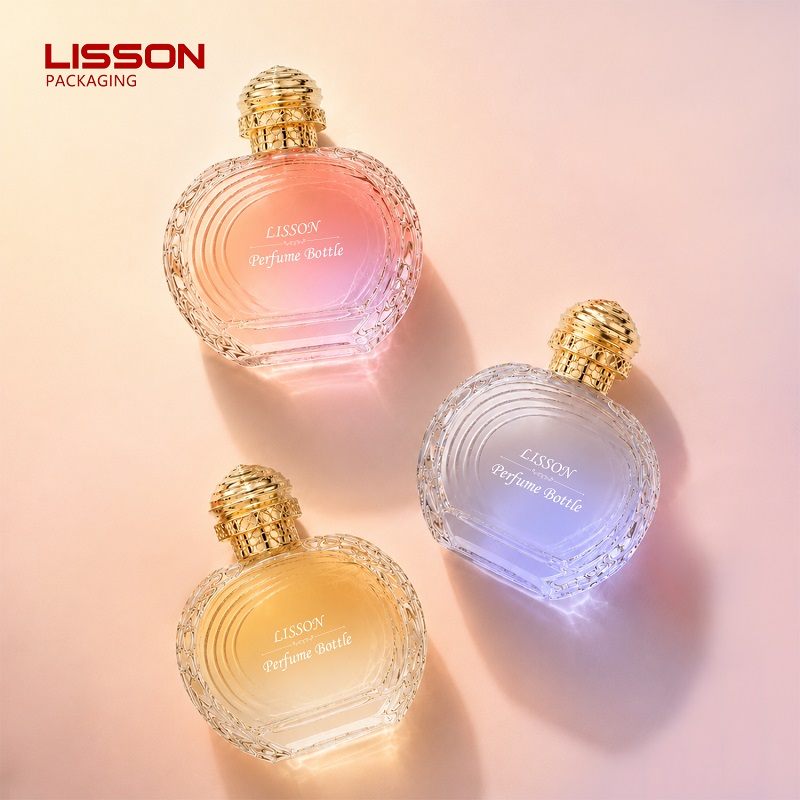
Perfume packaging combines the glass bottle, pump, closure, and decorative components into one complete system.
What Causes a Perfume Spray Pump to Leak?
Perfume leakage can occur at several points in the packaging system. The location of the liquid and the conditions under which the leak appears provide useful clues when diagnosing the problem.
| Observed problem | Possible cause | What to inspect |
|---|---|---|
| Leakage around the bottle neck | Poor sealing, incorrect fit, or improper assembly | Neck finish, pump dimensions, collar, and sealing surfaces |
| Liquid dripping from the nozzle | Valve malfunction, residue, or a damaged pump component | Nozzle condition, valve operation, and repeated dispensing performance |
| Leakage after shipping | Vibration, impact, pressure changes, or closure movement | Closure security, protective cap, and transport test results |
| Leakage after repeated use | Component wear, residue buildup, or formula incompatibility | Pump condition, formula compatibility, and dispensing consistency |
These symptoms do not always indicate the same failure. A small amount of liquid remaining at the nozzle after spraying may be residue rather than a defective seal. However, persistent dripping or liquid appearing without actuation deserves further investigation.
How Does Bottle Neck Compatibility Affect Perfume Bottle Sealing?
The connection between a perfume bottle and its spray pump is one of the first areas to inspect. If the neck finish and pump assembly are incompatible, the closure may not create a reliable seal even when the components appear to fit together.
Potential problems include incorrect neck dimensions, mismatched threads, an unsuitable crimp assembly, a damaged sealing surface, or inconsistent installation. The correct connection depends on the bottle design and the pump system selected for the project.
For example, a crimp-neck perfume bottle requires a compatible pump and collar assembly. A screw-neck design relies on matching thread dimensions and an appropriate sealing arrangement. These connection types should not be treated as interchangeable without confirming their specifications.
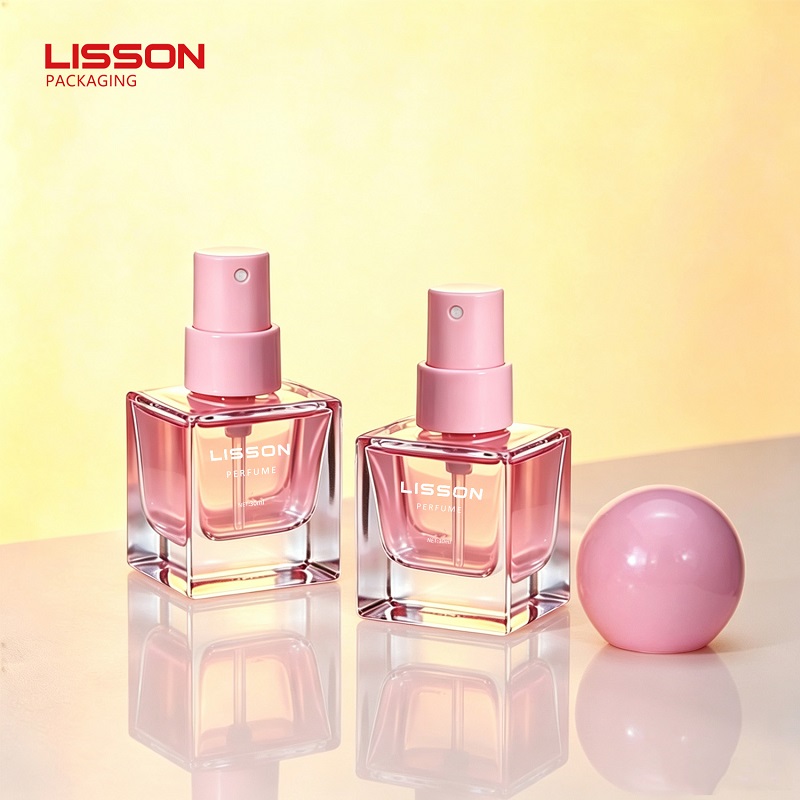
Bottle neck dimensions and pump assembly compatibility should be confirmed together during packaging development.
When developing square glass perfume spray bottles, brands should confirm the neck finish, pump type, closure design, and assembly requirements before finalizing the packaging specification.
Visual inspection alone cannot prove that a package is leak-resistant. The complete bottle-and-pump assembly should be tested using representative samples under suitable conditions.
Can a Defective Spray Pump Cause Perfume Leakage?
Yes. A pump can leak even when the glass bottle and closure dimensions are correct. The pump contains internal components that control liquid intake, dispensing, and valve closure. If a valve fails to close properly, a component is damaged, or assembly quality is inconsistent, liquid may escape through the nozzle or another connection point.
Formula compatibility is another factor. Perfumes can contain alcohol, fragrance ingredients, oils, and other substances that may interact differently with pump materials. A component that performs well with one formula may not perform identically with another.
For this reason, packaging developers should evaluate the intended fragrance formula with the selected pump. Testing only with water may not reveal every potential compatibility issue that could emerge during storage or repeated use.
When comparing packaging options, brands can explore Lisson's glass cosmetic and perfume packaging range and confirm the suitable bottle and dispensing configuration for their product requirements.
Why Can Perfume Bottles Leak During Shipping?
A perfume bottle may perform normally during initial inspection but develop leakage during transportation. Changes in temperature and pressure, road vibration, impact, and repeated handling can expose weaknesses in the closure or pump assembly.
Pressure changes may reveal an existing sealing weakness, but they do not automatically mean that pressure is the only cause. A loose closure, damaged component, or incorrectly assembled pump may also contribute to leakage.
Brands should evaluate the complete packaging configuration under conditions relevant to the intended distribution environment. Depending on the project, this may include leak testing, closure inspection, temperature conditioning, vibration testing, and transport simulation.
Protective caps and suitable secondary packaging can reduce handling risks, but they cannot compensate for a defective primary seal. The bottle and pump must provide appropriate sealing performance before the outer packaging is considered.
How Can Brands Identify the Source of a Perfume Bottle Leak?
A structured inspection helps identify the likely failure point before a brand replaces the pump or changes the bottle specification.
Inspect the bottle exterior. Check for visible cracks, chips, damage around the neck, and liquid residue. Dry the exterior before monitoring where new liquid appears.
Examine the pump and closure. Look for a loose collar, uneven crimping, damaged threads where applicable, or a misaligned actuator.
Record when the leak occurs. Determine whether it appears during spraying, while standing, after storage, or following transportation.
Evaluate dispensing behavior. Check spray consistency, dripping, actuator return, and repeated-use performance.
Compare multiple samples. If several units from the same batch show similar symptoms, investigate shared specifications, assembly settings, and production conditions.
For a useful quality investigation, record the bottle model, pump type, formula batch, assembly conditions, leak location, and test conditions. These details help distinguish an isolated damaged unit from a recurring packaging problem.
Do not use improvised heating or excessive-pressure methods to test alcohol-based perfumes. Testing should follow a suitable documented procedure with appropriate safety precautions.
How Can Perfume Brands Prevent Leakage Before Mass Production?
The most effective way to reduce leakage complaints is to verify packaging performance before approving a large production run. A bottle that looks attractive and dispenses correctly during a few sprays is not necessarily ready for commercial distribution.
- Confirm component specifications. Verify the bottle neck finish, pump dimensions, closure type, and material compatibility.
- Test with the actual fragrance. Use the intended formula rather than assuming that water-based testing will produce identical results.
- Check assembly consistency. Inspect crimping or screw closure installation and confirm that the pump is properly fitted.
- Define leak test criteria. Agree on the test method, sample quantity, acceptance criteria, and inspection conditions before testing.
- Evaluate dispensing performance. Check priming, spray consistency, repeated actuation, dripping, and actuator return.
- Assess transportation risks. Select suitable conditioning and transport tests based on the intended distribution environment.
- Approve production-representative samples. Confirm the final bottle, pump, cap, decoration, and assembly configuration before mass production.
When packaging includes custom colors, decorative caps, or a new bottle shape, the final configuration should be evaluated rather than relying exclusively on an earlier sample with different components.
What Should Brands Confirm With a Glass Perfume Bottle Manufacturer?
Before selecting a supplier or approving production, fragrance brands should confirm the packaging specifications, available customization options, sample requirements, and quality inspection process.
Important questions include:
- Is the selected bottle compatible with the intended spray pump and closure?
- Which neck finish and assembly method does the design require?
- Can production-representative samples be evaluated before bulk production?
- Which bottle colors, decorative finishes, cap styles, and logo options are available?
- What inspection procedures and acceptance criteria will apply to the approved packaging?
- How will changes to the bottle, pump, or closure be reviewed before production?
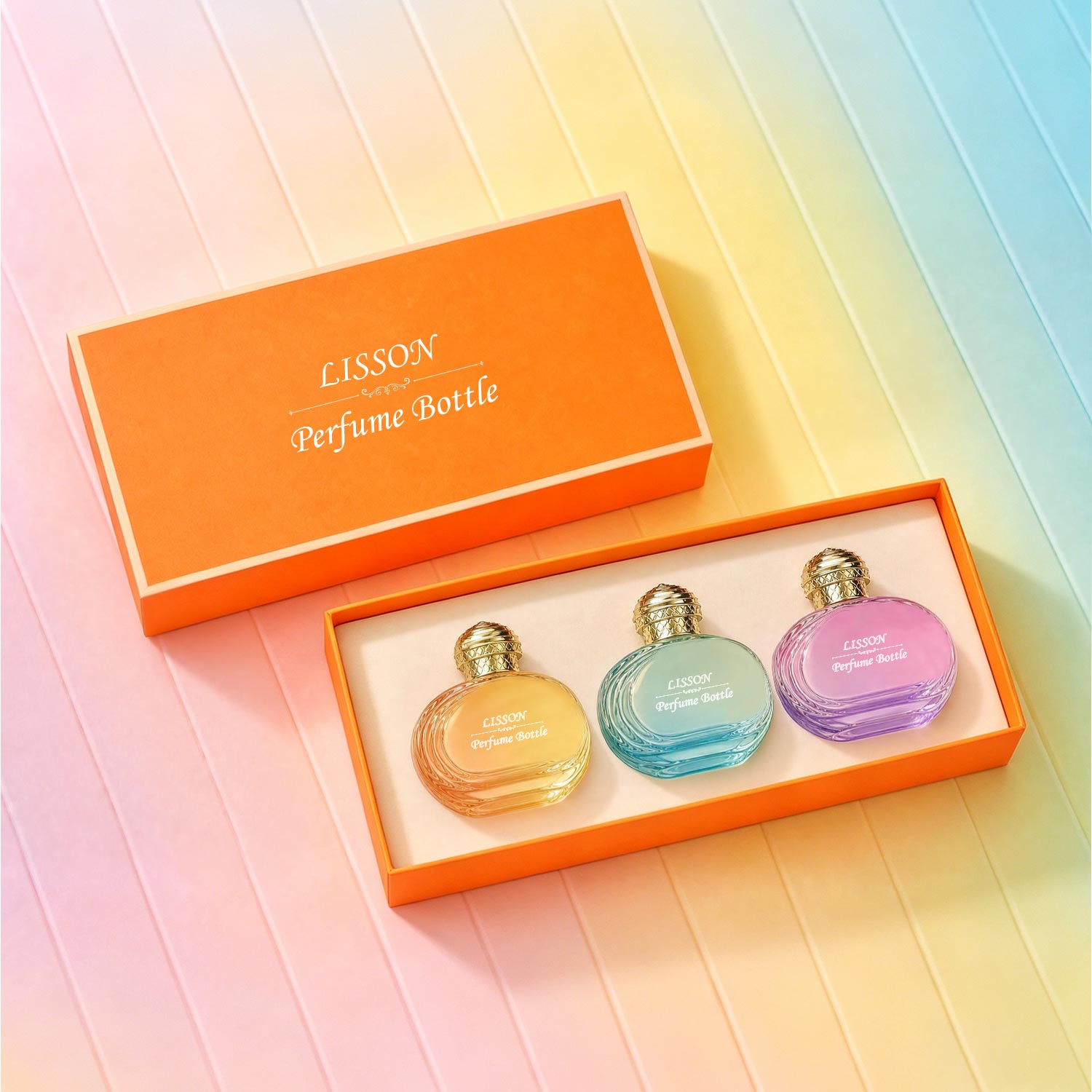
Custom fragrance packaging should balance visual design, component compatibility, and functional performance.
Lisson Glass Bottle provides customizable perfume packaging options, including bottle designs, colors, decorative finishes, and coordinated packaging components. Brands can review the custom glass packaging service to explore project requirements before confirming a production specification.
The goal is to ensure that the final package not only represents the brand well but also dispenses the fragrance consistently and maintains an appropriate seal during intended use, storage, and distribution.
Frequently Asked Questions About Leaking Perfume Spray Pumps
Why does my perfume bottle leak around the spray pump?
Possible causes include a poor seal between the pump and bottle neck, an incompatible closure, incorrect assembly, or a damaged sealing component. Inspect the connection and confirm that the pump matches the bottle specification.
Why does perfume drip from the nozzle when I am not spraying it?
Persistent dripping may indicate a valve problem, a damaged actuator, residue buildup, or incompatibility between the formula and pump components. Check whether the liquid is only residual spray or continues to emerge without actuation.
Can the wrong bottle neck size cause perfume leakage?
Yes. An incompatible neck finish or closure dimension can prevent the pump assembly from sealing properly. Confirm the bottle neck specification and matching pump or collar before production.
Can perfume leak during air transportation even if it does not leak at room temperature?
Yes. Pressure and temperature changes, vibration, and handling may expose weaknesses in a closure or seal. Evaluate the packaging under conditions representative of its intended distribution environment.
How should a perfume brand test a spray pump before mass production?
Test production-representative bottle and pump assemblies with the intended perfume formula. Evaluate leakage, spray consistency, repeated actuation, closure integrity, and relevant storage and transportation conditions using documented acceptance criteria.
Should a brand replace the pump or the entire perfume bottle when leakage occurs?
The decision depends on the failure point. A defective pump may need replacement, while a damaged bottle neck, incompatible closure, or glass defect may require replacing the complete packaging unit. Identify the cause before deciding.
A leaking perfume spray pump is often a packaging-system issue rather than a problem with the glass bottle alone. By checking the bottle neck, pump, closure, formula compatibility, and transportation conditions together, fragrance brands can identify the cause more accurately and reduce the risk of recurring leakage.
For brands developing a new fragrance line, reviewing custom perfume glass packaging options alongside pump and closure requirements can help align the final design with the product's functional needs.