A cosmetic pump usually stops dispensing properly because the nozzle is clogged, air is trapped inside the pump, the formula is too thick, the dip tube cannot reach the remaining product, or the pump mechanism is damaged. In many cases, checking the nozzle, bottle assembly, and formula consistency can help identify the cause before the packaging needs to be replaced.
For skincare brands, a pump that fails to deliver a consistent dose can affect the customer experience and increase product waste. The problem may come from the pump itself, but it can also result from a mismatch between the formula and the packaging. Understanding how these components work together is essential when selecting cosmetic packaging for serums, lotions, and liquid foundations.
What Causes a Cosmetic Pump to Stop Working?
A cosmetic pump draws product through a dip tube and releases it through the nozzle when the actuator is pressed. If the intake, internal valve, or dispensing outlet cannot function correctly, the pump may release only air, dispense an inconsistent amount, or stop working completely.
The most common causes include:
- Clogged nozzle: Dried lotion or serum residue blocks the dispensing opening.
- Air trapped inside the pump: The pump has not been primed properly, or air has entered the dispensing system.
- Formula viscosity: A thick lotion or cream may be difficult for a pump designed for thinner liquids to draw upward.
- Incorrect dip tube length: The tube cannot reach the remaining formula or may be obstructed against the bottle base.
- Loose or incompatible components: An incorrect fit between the pump and bottle can interfere with sealing and dispensing.
- Damaged internal mechanism: A faulty valve, seal, spring, or actuator may prevent normal operation.
The first step is to determine whether the issue is a temporary blockage, a formula-related problem, or a mechanical failure. This distinction is particularly important for cosmetic brands purchasing glass pump bottles in bulk, because repeated failures across a batch may indicate a packaging compatibility or assembly issue.
How to Fix a Clogged Cosmetic Pump
A clogged nozzle is one of the easiest problems to check. When a cosmetic product is exposed to air between uses, residue may dry around the outlet and gradually restrict the flow.
Follow these troubleshooting steps:
- Remove the protective cap and inspect the nozzle for visible product residue.
- If the pump head is designed to be removed, detach it according to the manufacturer's instructions.
- Wipe away residue with a clean, soft cloth. If permitted by the manufacturer, clean the removable nozzle with warm water.
- Allow cleaned parts to dry completely before reassembling them.
- Press the pump several times to check whether normal dispensing has returned.
Avoid inserting needles or other sharp objects into the nozzle, using boiling water, or allowing cleaning agents to enter the formula. These actions can damage the pump or contaminate the cosmetic product. For sensitive skincare formulations, always follow the product manufacturer's cleaning and handling instructions.
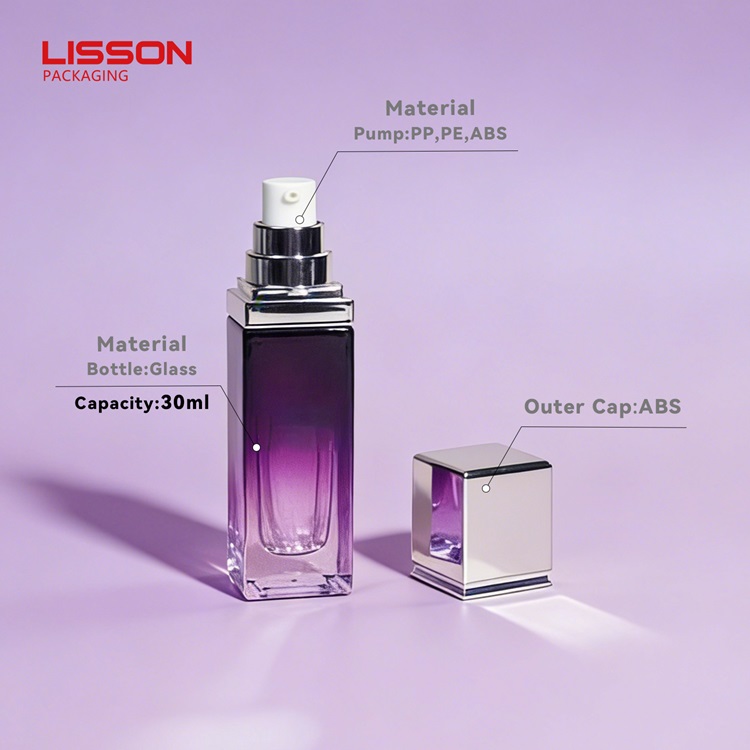
For packaging developers, selecting a suitable 30ml cosmetic glass pump bottle is an important starting point. The pump mechanism, bottle neck, and formula should be evaluated as one dispensing system rather than as separate components.
Why Does a Lotion Pump Need Several Presses Before Dispensing?
If a lotion pump releases nothing during the first few presses but eventually starts dispensing, it may simply need priming. Priming allows the pump to draw product from the bottle into its internal dispensing chamber.
This often happens when a bottle is new, has not been used for an extended period, or has been transported before its first use. Depending on the pump design, several full presses may be necessary before the formula reaches the nozzle.
Keep the bottle upright on a stable surface and press the actuator fully several times. Avoid repeatedly pressing it halfway because incomplete strokes may not allow the mechanism to complete its normal intake and dispensing cycle.
If the pump continues to release air instead of product, check whether the dip tube is connected properly and whether enough formula remains in the bottle. A persistent problem may indicate a damaged valve, a poor seal, or an incorrectly assembled component.
Can a Thick Cosmetic Formula Prevent a Pump from Dispensing?
Yes. A formula that is too viscous for the selected pump can cause slow dispensing, inconsistent doses, excessive resistance when pressing the actuator, or complete dispensing failure. The pump must generate enough suction to draw the formula through the dip tube and move it through the internal passages.
For example, a lightweight facial lotion may work well with a conventional lotion pump, while a dense cream or balm may require a different dispensing design. Temperature can also affect viscosity, so a formula that flows normally at room temperature may become harder to dispense in colder conditions.
Before selecting cosmetic packaging, consider the formula's viscosity, the required dose per press, the pump's intake capability, and the expected storage conditions. The presence of particles or ingredients that may crystallize can also affect dispensing performance.
For products such as lightweight serums, essences, and liquid foundations, brands may evaluate an airless pump glass cosmetic bottle. Airless packaging can offer a different dispensing approach, but it is not automatically suitable for every formula. Compatibility testing remains essential.
What Happens When the Dip Tube Is Too Short?
A cosmetic pump may stop dispensing even when some product remains inside the bottle. One possible reason is that the dip tube cannot reach the remaining formula, especially when the bottle is almost empty or its internal shape makes the product difficult to collect.
If the dip tube is too short, the pump may begin drawing air before all the usable product has been dispensed. If the tube is too long, it may bend or press against the bottle base, depending on the bottle geometry and tube design.
The correct dip tube length should be determined according to the bottle's internal height and base shape. During packaging development, brands should test dispensing at different fill levels rather than checking only whether a full bottle works.
This matters for premium skincare products because excessive residual product can lead to customer dissatisfaction and unnecessary waste. Comparing the bottle shape, pump configuration, and expected product viscosity helps packaging buyers make a more suitable selection. Explore LISSON's cosmetic glass bottle packaging range to review available packaging options.
How Can You Tell Whether a Cosmetic Pump Is Broken?
A pump may need replacement if cleaning the nozzle and priming the mechanism do not restore normal dispensing. Common warning signs include an actuator that remains stuck, a pump head that no longer returns after pressing, leakage around the closure, or a mechanism that produces no suction despite correct assembly and sufficient product.
For commercial packaging, testing should go beyond a few manual presses. A suitable evaluation should cover repeated actuation, dose consistency, leakage, closure security, formula compatibility, and performance under expected transport and storage conditions.
If the same problem occurs across multiple bottles from one batch, investigate the pump specification, assembly process, and formula compatibility. If only one bottle is affected, a localized component defect or assembly issue may be more likely.
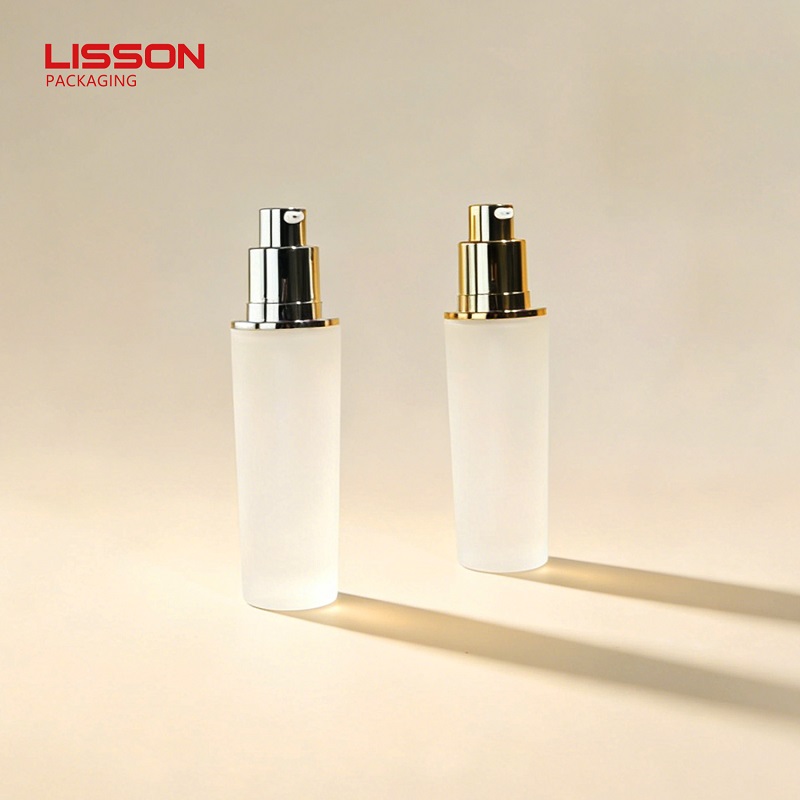
When developing premium skincare packaging, brands can also evaluate the 30ml tapered frosted glass pump bottle. The final selection should depend on actual formula testing, dispensing performance, and the intended user experience.
How Can Cosmetic Brands Prevent Pump Dispensing Problems?
The most reliable way to prevent pump failures is to test the complete packaging system before mass production. An attractive bottle design is not enough if the pump cannot dispense the intended formula consistently throughout normal use.
- Match the pump to the formula: Evaluate viscosity, texture, and any ingredients that could obstruct the dispensing mechanism.
- Check component compatibility: Confirm that the pump, closure, dip tube, and bottle neck fit correctly.
- Test dispensing consistency: Measure the output over repeated presses and at different fill levels.
- Conduct leakage tests: Check the assembled packaging under suitable transport and storage conditions.
- Evaluate material compatibility: Check whether the formula affects the pump components or dispensing performance over time.
- Test production-representative samples: Use the actual formula and final packaging components instead of relying only on empty-bottle demonstrations.
For brands sourcing packaging from a manufacturer, these checks should be part of the development and quality-control process. LISSON provides cosmetic glass packaging options with customization possibilities for bottle appearance and branding. Reviewing the 30ml round clear cosmetic glass lotion bottle is one way to compare a different bottle shape and pump presentation for a skincare line.
Frequently Asked Questions About Cosmetic Pump Problems
Why does my cosmetic pump stop dispensing properly?
The most common causes are a clogged nozzle, trapped air, a formula that is too thick, an incorrectly fitted dip tube, or a damaged pump mechanism. Check these factors before replacing the pump.
How do I unclog a lotion pump?
Inspect the nozzle and clean away visible residue. If the pump head can be safely removed, clean it according to the manufacturer's instructions, allow it to dry, reassemble it, and test the pump. Avoid introducing cleaning agents into the formula.
Why does my lotion pump release air but no lotion?
The pump may need priming, the dip tube may not be drawing product, or the bottle may be nearly empty. Press the actuator fully several times with the bottle upright. If the problem continues, inspect the tube and pump assembly.
Can thick lotion cause a pump to stop working?
Yes. A thick formula can exceed the pump's intake or dispensing capability. Choose a pump designed for the formula's viscosity and test it under expected storage and use conditions.
Why does a cosmetic pump stop working when the bottle is almost empty?
The dip tube may no longer reach the remaining product, or the bottle's internal shape may prevent the formula from flowing toward the tube. Correct tube length and bottle geometry can help improve product evacuation.
Should I replace a cosmetic pump that will not dispense?
Replace the pump if cleaning, priming, and checking the assembly do not restore normal operation, or if the actuator, seal, or internal mechanism is damaged. If multiple bottles show the same problem, investigate the packaging specification and assembly process.
How can cosmetic brands avoid pump failures during production?
Test the actual formula with the selected bottle and pump. Evaluate dose consistency, priming, leakage, component fit, product evacuation, and performance under expected storage and transport conditions before mass production.